
 By info@thesabrinabanks.co.uk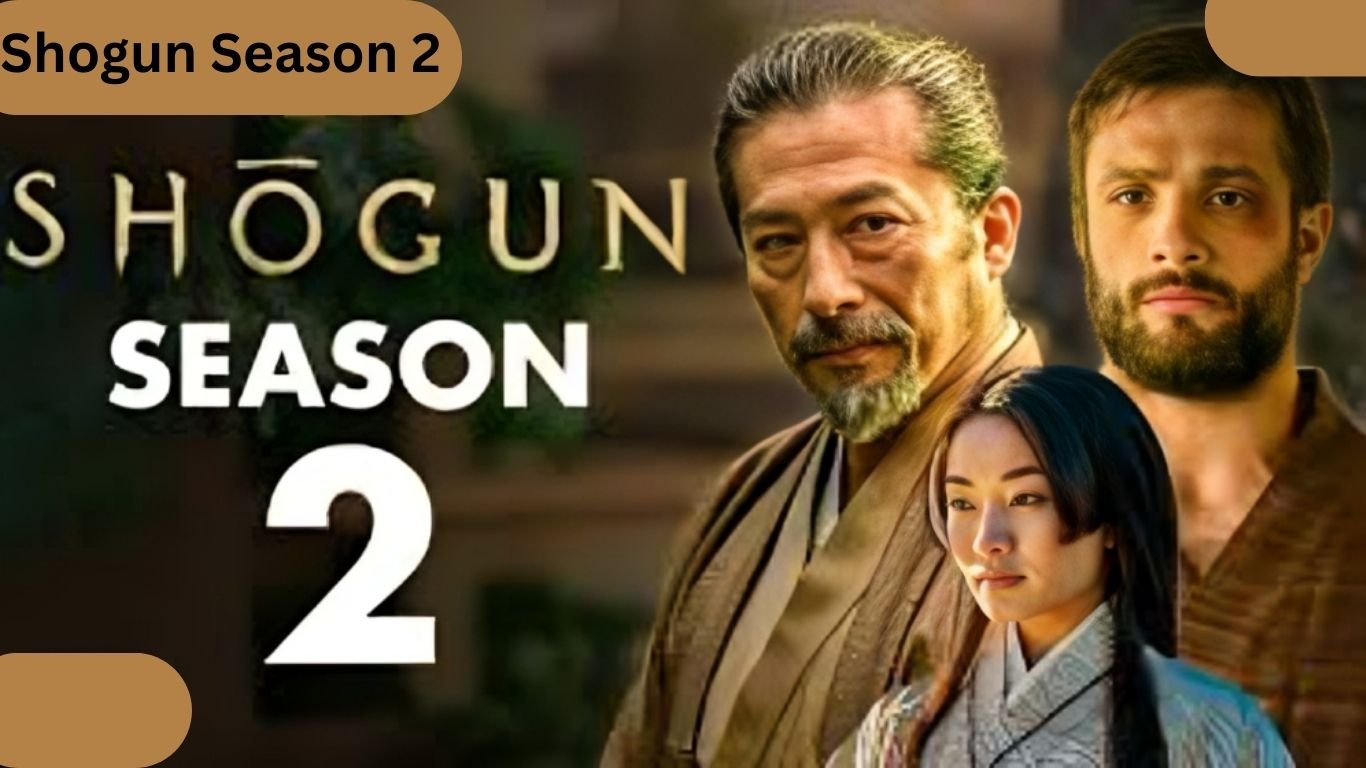
The success of Shogun reignited global interest in historical storytelling rooted in depth, realism, and cultural complexity. The first season captivated audiences with its powerful narrative, cinematic quality, and immersive portrayal of feudal Japan. As a result, conversations around shogun season 2 have grown steadily, driven by curiosity, speculation, and a desire to see whether this epic world can continue to unfold on screen.
This article offers a detailed and thoughtful exploration of what shogun season 2 could represent. Rather than focusing on rumors or surface-level hype, it examines narrative potential, thematic direction, character evolution, and the broader cultural impact of continuing the story. The goal is to provide real value for readers who want deeper understanding, not just headlines.
The Legacy Established by the First Season
The first season of Shogun set a remarkably high standard. It balanced historical authenticity with compelling drama, introducing viewers to a richly textured world shaped by honor, loyalty, power, and survival. The pacing allowed the story to breathe, giving space to cultural nuance while maintaining narrative tension.
What truly defined the season was its respect for complexity. Characters were not simple heroes or villains. They were shaped by duty, belief, and circumstance. This layered storytelling is one of the main reasons audiences now care so deeply about the possibility of shogun season 2.
Why Shogun Season 2 Is a Meaningful Question
The question of shogun season 2 is not just about continuation. It is about whether the story has more to say and whether it can do so without diminishing the impact of what has already been told. Some stories are designed to be complete, while others naturally invite expansion.
In the case of Shogun, the world feels vast enough to support further exploration. The political systems, cultural tensions, and personal journeys introduced in the first season suggest that many threads remain open. A second season would allow these elements to evolve rather than remain frozen in a single moment.
Narrative Potential Beyond the First Arc
One of the strongest arguments for shogun season 2 lies in narrative potential. The first season established a foundation but did not exhaust the historical or emotional landscape. Power struggles in feudal Japan were rarely resolved quickly, and alliances often shifted over time.
A continuation could explore the long-term consequences of earlier decisions. Victories may lead to new threats. Loyalties may be tested by changing circumstances. The story could move from survival toward consolidation of power, a phase rich with moral and political complexity.
Character Evolution as a Driving Force
Characters are the heart of Shogun. Their growth, hesitation, and conflict give the story its emotional weight. Shogun season 2 would need to focus heavily on how these characters change as their world changes.
Leaders may become more isolated as their authority grows. Warriors may struggle with the cost of loyalty. Outsiders may find themselves more deeply entangled in a culture that challenges their assumptions. These internal shifts can be just as compelling as external conflict.
Cultural Depth and Respectful Storytelling
One of the most praised aspects of Shogun is its respectful portrayal of Japanese culture and history. Any continuation must preserve this care and attention. Shogun season 2 would need to continue consulting historical context and cultural perspective to maintain authenticity.
This commitment to depth is what separates Shogun from more superficial historical dramas. The show does not use culture as decoration but as an essential part of the story’s logic and emotional core.
Themes That Could Be Expanded in Season Two
The first season explored themes of honor, power, faith, and identity. A second season could deepen these themes rather than repeat them. Honor, for example, can be tested not only in battle but in governance. Power can corrupt even those who once sought it for noble reasons.
Faith and belief systems could evolve as characters face new moral dilemmas. Identity, especially for those caught between cultures, may become more fragmented as stakes rise. These thematic expansions would allow shogun season 2 to feel like a natural progression rather than a repetition.
Political Intrigue and Strategic Tension
Political strategy was a key element of the first season, often conveyed through quiet conversations rather than open conflict. This subtlety gave the series much of its tension. Shogun season 2 could build on this by introducing more complex political landscapes.
As power consolidates, opposition often becomes more sophisticated. Rivals may operate in shadows, using influence rather than force. Exploring these dynamics would keep the story intellectually engaging and emotionally intense.
The Role of Conflict in Sustaining Drama
Conflict does not always mean warfare. In Shogun, some of the most powerful moments came from internal struggle or difficult choices. A second season should continue to embrace this layered approach.
Personal conflict, such as loyalty versus ambition or tradition versus change, can drive character decisions. External conflict, including rival clans or foreign influence, can raise stakes without overwhelming the narrative. The balance between these forms of conflict is essential to maintaining the show’s tone.
Audience Expectations and Narrative Responsibility
Audiences who fell in love with the first season bring high expectations to shogun season 2. They expect consistency in tone, character integrity, and storytelling quality. At the same time, they want to be surprised.
The responsibility of a second season is to honor what came before while still daring to evolve. Predictable storytelling would undermine the trust built with viewers. Thoughtful risk-taking, on the other hand, can deepen engagement.
Visual Storytelling and Atmosphere
The visual language of Shogun played a significant role in its success. Landscapes, architecture, and costume design all contributed to immersion. Shogun season 2 would need to maintain this cinematic quality to preserve atmosphere.
Visual storytelling is not just about beauty. It reinforces mood, power dynamics, and emotional states. A well-composed scene can convey tension or sorrow without a single word.
Historical Inspiration Without Restriction
While Shogun draws inspiration from history, it is not a documentary. This balance allows for creative freedom while maintaining authenticity. Shogun season 2 can continue this approach by using historical context as a guide rather than a limitation.
This flexibility enables the story to explore emotional truths even when specific events are fictionalized. The result is a narrative that feels real without being constrained by exact chronology.
The Challenge of Continuing a Beloved Story
Second seasons often face unique challenges. Expectations are higher, comparisons are inevitable, and the margin for error is smaller. Shogun season 2 would need clear creative direction to avoid feeling unnecessary.
The key lies in purpose. If the story has something meaningful to add, continuation strengthens the overall legacy. If not, restraint becomes a virtue. Thoughtful planning determines which path is taken.
Global Appeal and Cultural Exchange
One reason Shogun resonated worldwide is its ability to present a culturally specific story with universal themes. Shogun season 2 could continue to foster this cultural exchange by exploring shared human experiences through a distinct historical lens.
This global appeal does not require simplification. On the contrary, audiences increasingly value depth and authenticity, even when it challenges them.
Emotional Stakes and Long-Term Consequences
The emotional power of a story grows when actions have lasting consequences. Shogun season 2 has the opportunity to show how earlier choices shape futures in irreversible ways.
Loss, regret, and hard-earned wisdom can all deepen character arcs. These emotional stakes create resonance that lasts beyond individual episodes.
The Importance of Narrative Closure and Continuation
A second season must strike a balance between offering closure and opening new doors. Viewers need resolution to certain arcs to feel satisfied, but they also need space for growth.
Shogun season 2 could function as both continuation and transformation, allowing the story to evolve while respecting its origins.
Long-Term Vision for the Shogun Universe
If the creators envision a broader narrative beyond two seasons, shogun season 2 becomes a bridge rather than an endpoint. It can establish new themes, introduce new perspectives, and prepare the ground for further exploration.
Even if the series concludes with a second season, a well-crafted continuation can enhance the impact of the entire story.
Why Shogun Season 2 Could Elevate the Series Further
When executed with care, second seasons can surpass their predecessors. With the world established and characters defined, there is room for deeper exploration and greater emotional payoff.
Shogun season 2 has the potential to refine what made the first season powerful while pushing boundaries in subtle, meaningful ways.
Conclusion
Shogun season 2 represents more than the continuation of a successful series. It symbolizes the possibility of sustained, thoughtful storytelling in a genre often dominated by spectacle over substance. The interest surrounding it reflects a desire for narratives that respect history, culture, and emotional complexity.
Whether or not the story continues, the discussion itself highlights the impact Shogun has already made. A second season, if realized with the same care and vision, could transform a remarkable adaptation into a lasting classic.