
 By info@thesabrinabanks.co.uk
The phrase “Iran Israel news” appears almost daily in global headlines, and for good reason. Few rivalries in modern geopolitics carry as much tension, history, and global consequence as the ongoing struggle between Iran and Israel. This is not a conflict defined by a single battlefield or a short timeline. It is a long-running confrontation fueled by ideology, security fears, regional power struggles, and deep mistrust.
For many readers, the news can feel overwhelming. One day the story is about nuclear talks, another day it is about missile strikes, cyberattacks, or warnings from military leaders. To truly understand what Iran Israel news means, it is important to look beyond breaking headlines and explore the deeper forces driving this relationship. When you do, the daily updates start to make much more sense.
This article explains the Iran Israel situation in clear and simple language. It connects history with current events and explains why this conflict matters not only to the Middle East but to the entire world.
The Historical Roots Behind Iran Israel Tensions
To understand today’s Iran Israel news, you have to go back several decades. Interestingly, Iran and Israel were not always enemies. Before 1979, Iran under the Shah had diplomatic and economic relations with Israel. The two countries cooperated quietly, sharing intelligence and trade ties.
Everything changed with the Iranian Revolution in 1979. The new Islamic Republic of Iran adopted a strong anti-Israel stance as part of its ideological foundation. Iranian leaders viewed Israel as an illegitimate state and framed opposition to Israel as a religious and political duty. From that point forward, hostility became official policy rather than a temporary disagreement.
Israel, on the other hand, saw Iran’s new leadership as a direct threat to its existence. This shift turned what had once been a distant relationship into one of the most intense rivalries in modern geopolitics.
Why Iran and Israel Are Strategic Enemies
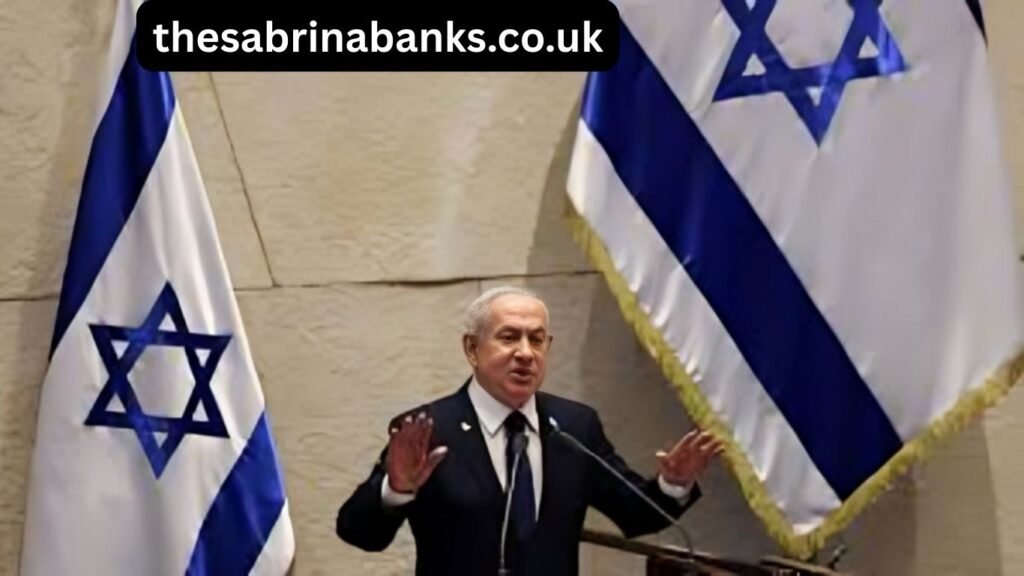
Iran Israel news often highlights strong language from political leaders, but the conflict is about more than words. At its core, the rivalry is driven by security concerns and regional influence.
Iran seeks to expand its influence across the Middle East. It supports groups and governments that align with its interests in countries like Lebanon, Syria, Iraq, and Yemen. Israel views this expansion as a serious danger, especially when Iranian-backed groups operate close to its borders.
Israel’s primary goal is survival and security. As a small country surrounded by potential adversaries, it takes threats very seriously. Iranian statements questioning Israel’s right to exist, combined with military actions by Iran’s allies, are seen as existential dangers by Israeli leaders.
This clash of goals explains why Iran Israel news often involves indirect conflict rather than direct war.
The Role of Proxy Conflicts in Iran Israel News
One of the defining features of the Iran Israel conflict is that it rarely takes the form of direct combat. Instead, it plays out through proxy conflicts across the region.
In Lebanon, Iran supports Hezbollah, a powerful armed group that has fought multiple conflicts with Israel. In Syria, Iran has established a military presence to support the Assad government, which has brought Iranian forces closer to Israel’s northern border. Israel has responded with airstrikes aimed at preventing Iran from building permanent military infrastructure in Syria.
These actions frequently dominate Iran Israel news reports. While they may seem like isolated incidents, they are part of a larger strategic chess game. Each side is trying to weaken the other without triggering a full-scale war.
Nuclear Concerns and Their Impact on Iran Israel Relations
No discussion of Iran Israel news is complete without addressing Iran’s nuclear program. This issue has been at the center of tensions for years and remains one of Israel’s biggest security concerns.
Iran insists its nuclear program is for peaceful purposes such as energy and medical research. Israel, however, believes a nuclear-armed Iran would pose an unacceptable threat. Israeli leaders argue that Iran’s leadership cannot be trusted with such powerful weapons, given its hostile rhetoric and regional actions.
This disagreement has led to intense diplomatic efforts, international sanctions, and secret operations that often make headlines. When nuclear talks stall or progress, Iran Israel news coverage increases sharply because the stakes are so high.
Cyber Warfare and the Silent Battlefield
Not all Iran Israel news involves explosions or missiles. Some of the most significant confrontations happen in cyberspace, far from public view.
Cyberattacks have become a modern tool in this conflict. Both countries have been accused of launching digital attacks against infrastructure, military systems, and industrial facilities. These incidents rarely come with official confirmation, but their impact can be serious.
This silent battlefield allows both sides to send messages and cause disruption without crossing the threshold into open war. For readers, this explains why Iran Israel news sometimes mentions mysterious system failures or anonymous cyber incidents.
How Domestic Politics Shape Iran Israel News
Internal politics play a major role in how Iran and Israel behave on the international stage. In Iran, leaders often use opposition to Israel to rally domestic support and reinforce revolutionary ideals. Strong statements against Israel can help unite different political factions under a shared cause.
In Israel, security issues are deeply tied to elections and leadership decisions. Politicians frequently highlight the Iranian threat to demonstrate strength and readiness to protect the nation. When tensions rise, Iran Israel news often becomes part of internal political debates within Israel.
Understanding this domestic context helps explain why rhetoric sometimes escalates even when neither side seems eager for a full conflict.
The United States and Its Influence on Iran Israel Relations
Another key factor in Iran Israel news is the role of the United States. Israel considers the US its most important ally, while Iran views American influence in the region as a major obstacle to its goals.
US policies on sanctions, military aid, and diplomacy directly affect the balance between Iran and Israel. When Washington takes a hard line against Iran, Israel often feels more secure. When diplomatic efforts increase, Israel may worry about concessions that could strengthen Iran.
This triangle of relationships means that Iran Israel news often includes statements and actions from American leaders as well.
Media Coverage and Public Perception
How Iran Israel news is reported can shape public understanding and emotions. Headlines often focus on dramatic events, which can make the situation appear more volatile than it sometimes is.
In reality, both countries carefully calculate their actions to avoid uncontrolled escalation. Media reports may highlight conflict, but behind the scenes there are also efforts to manage risks and send signals without crossing red lines.
For readers, it is important to look beyond sensational headlines and understand the broader context of each development.
Economic and Regional Consequences of the Conflict
The Iran Israel rivalry affects more than just politics and security. It has economic and regional consequences that impact millions of people.
Tensions can influence oil prices, trade routes, and investor confidence across the Middle East. Countries in the region often find themselves balancing relationships with both Iran and Israel while trying to avoid being drawn into conflict.
This wider impact is another reason why Iran Israel news attracts global attention.
Real-Life Examples That Show the Human Side
Behind every headline are real people living with uncertainty. In Israel, families regularly practice emergency drills and monitor news for updates on regional threats. In Iran, citizens deal with economic pressures and international isolation, often shaped by policies connected to the conflict.
These human experiences rarely dominate Iran Israel news, but they are essential for understanding the real cost of long-term tension.
Why This Conflict Continues Without Resolution
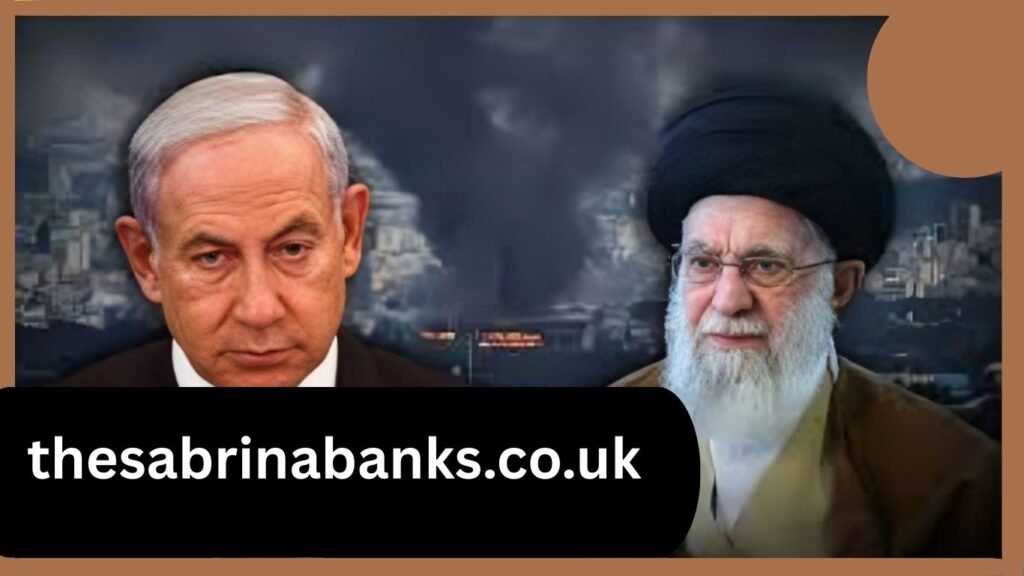
Many readers wonder why Iran Israel tensions never seem to end. The answer lies in deep ideological differences, security fears, and regional ambitions that are not easily resolved.
Neither side fully trusts the other, and both believe compromise could threaten their survival or influence. This creates a situation where maintaining pressure feels safer than taking risks for peace.
As a result, Iran Israel news is likely to remain a regular feature in global media.
What the Future May Hold
Predicting the future of Iran Israel relations is difficult. The situation can shift quickly based on political changes, regional events, or unexpected incidents.
What is clear is that both sides will continue to avoid direct war while preparing for worst-case scenarios. Diplomatic efforts, covert actions, and regional maneuvering will likely remain the main tools of this conflict.
For readers following Iran Israel news, understanding these patterns can make developments easier to interpret.
Conclusion Making Sense of Iran Israel News in a Complex World
Iran Israel news is not just about isolated events or dramatic headlines. It is the story of a long and complex rivalry shaped by history, ideology, and regional power struggles. By looking at the deeper causes behind the news, readers can move beyond confusion and gain real insight into what is happening.
This conflict affects global politics, regional stability, and the daily lives of millions of people. While resolution may not be near, informed understanding is always possible. When you read Iran Israel news with context and clarity, it becomes more than just breaking updates. It becomes a window into one of the most important geopolitical relationships of our time.