
 By info@thesabrinabanks.co.uk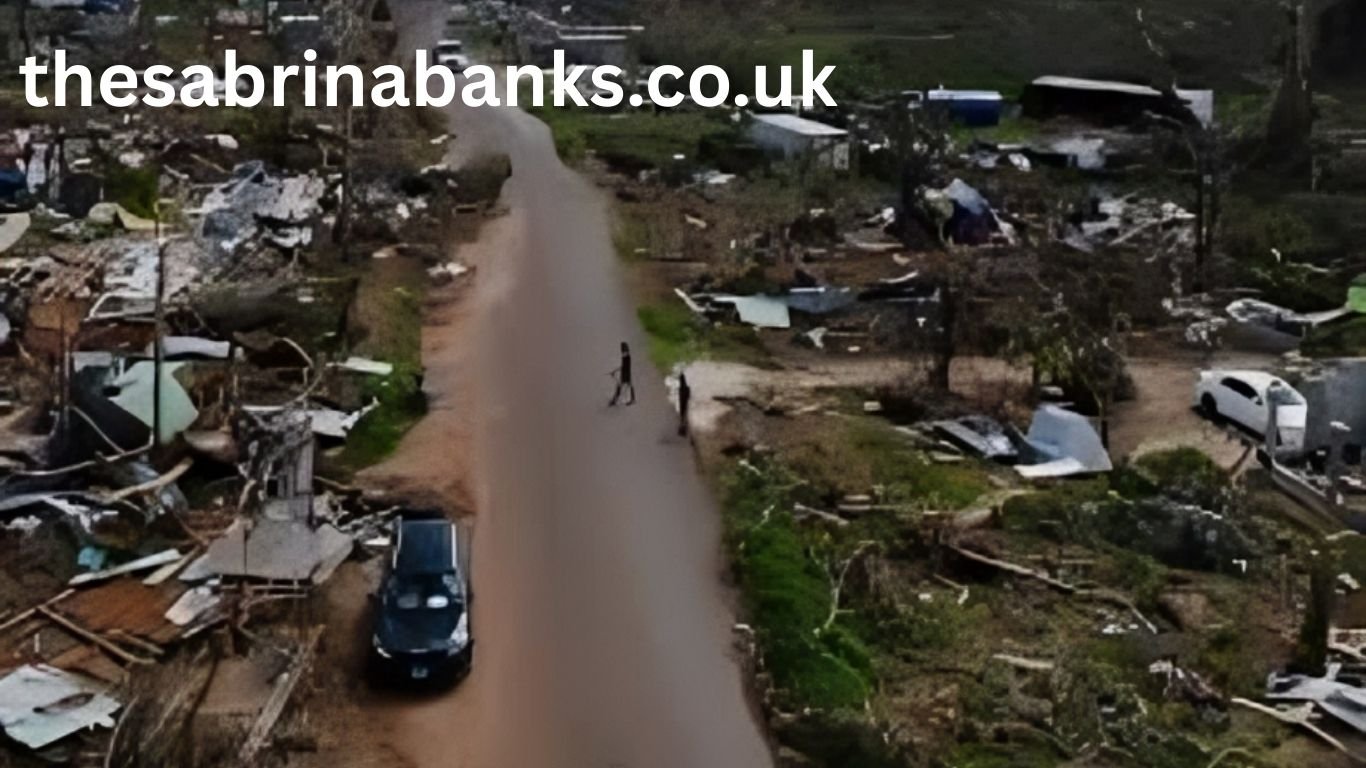
When people hear the words hurricane and Jamaica in the same sentence, emotions rise quickly. For Jamaicans, hurricanes are not just weather events. They are memories of long nights, boarded windows, anxious radio updates, and communities pulling together when nature shows its strength.
Hurricane Melissa Jamaica, as it became known in local conversations, was one of those storms that left a mark far beyond wind speeds and rainfall totals. Whether you experienced it firsthand, heard stories from family, or are simply trying to understand how hurricanes affect island nations like Jamaica, this story matters.
This article takes a deep, human look at Hurricane Melissa and its impact on Jamaica. We’ll explore how the storm developed, what daily life was like as it approached, how communities responded, and what lessons remain relevant today. This is not just about a storm. It’s about people, resilience, and preparation in a hurricane-prone region.
Understanding Hurricane Melissa Jamaicain the Caribbean Context
Before diving into Hurricane Melissa itself, it helps to understand why hurricanes are such a serious concern for Jamaica and the wider Caribbean.
Why Jamaica Is Vulnerable to Hurricanes
Hurricane Melissa Jamaica sits in the Atlantic hurricane belt, a region where warm ocean waters fuel powerful tropical systems. From June to November, the island remains on alert, especially during peak months like August and September.
Because Jamaica is relatively small, even a storm that passes nearby can bring serious rain, flooding, and landslides. Mountains in the interior can intensify rainfall, while coastal communities face storm surge and strong winds.
For many Jamaicans, hurricanes are part of life. Homes are built with storms in mind, emergency supplies are common, and weather updates are followed closely. Still, each storm brings uncertainty, and Hurricane Melissa was no exception.
The Formation of Hurricane Melissa
From Tropical Disturbance to Named Storm
Hurricane Melissa Jamaica began like many Caribbean storms do. It started as a tropical disturbance over warm Atlantic waters, slowly organizing as it moved westward. At first, it didn’t draw much attention. These systems form often, and many never become significant.
But as days passed, meteorologists noticed strengthening winds and more organized cloud patterns. Once the system reached tropical storm status, it was given the name Melissa.
For Jamaicans, that name quickly became familiar. Radio stations, news outlets, and social media filled with updates. Even people who normally paid little attention to weather reports started listening carefully.
Early Warnings and Growing Concern
As forecasts showed Hurricane Melissa Jamaica possible path toward Jamaica, concern grew. While exact tracks are never certain, the potential for impact was clear.
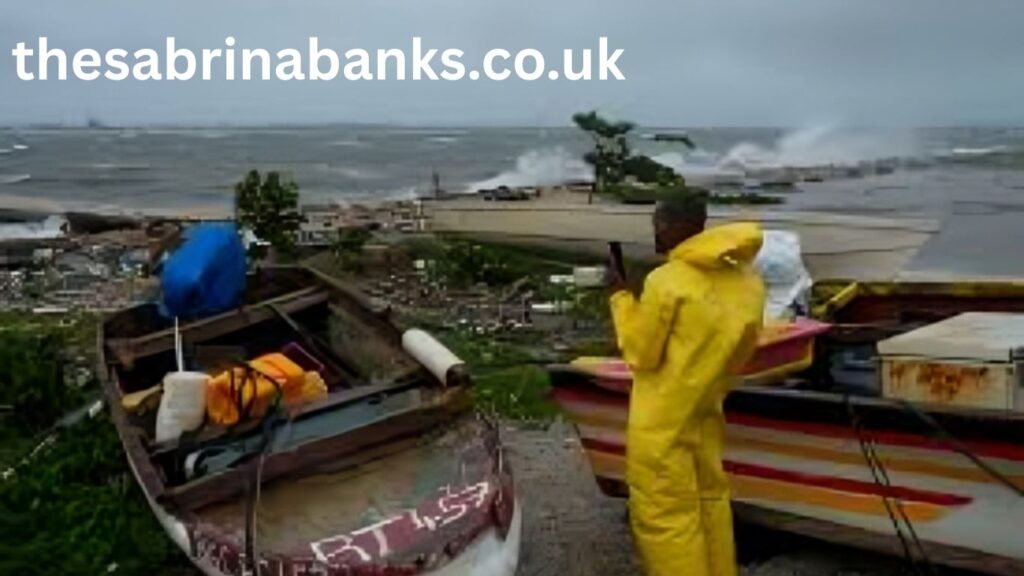
Government agencies issued early advisories. Schools discussed closure plans. Fishermen began pulling boats out of the water. Supermarkets saw an increase in shoppers stocking up on basics like rice, canned food, and bottled water.
This period, before the storm arrives, is often the most stressful. People wait, watch, and hope the storm will change course.
Life in Jamaica as Hurricane Melissa Approached
Preparing Homes and Families
In towns and villages across Hurricane Melissa Jamaica, preparation became the focus. Windows were boarded up. Loose items in yards were secured. Older residents shared advice with younger neighbors, reminding them of past storms and what worked.
Many families checked on elderly relatives, making sure they had supplies and safe shelter. In rural areas, people moved livestock to higher ground and protected crops where possible.
Preparation is not just physical. It’s emotional. Parents reassured children. Communities checked in on one another. There was a shared understanding that everyone needed to be ready.
The Role of Media and Communication
Radio played a crucial role during Hurricane Melissa Jamaica. In Jamaica, radio remains one of the most trusted and accessible sources of information during emergencies.
Broadcasters provided regular updates, safety advice, and official announcements. Call-in programs allowed listeners to share local conditions, creating a sense of connection even as people stayed indoors.
Social media also played a growing role, especially among younger Jamaicans. Videos of darkening skies and rising waves spread quickly, increasing awareness but sometimes also spreading fear. Sorting reliable information from rumors became important.
When Hurricane Melissa Reached Jamaica
The First Signs of Impact
As Hurricane Melissa Jamaica drew closer, weather conditions changed noticeably. Skies turned gray. Winds picked up. Rain began to fall steadily, then heavily.
For many Jamaicans, this is when the reality of the storm set in. Streets grew quiet as people stayed indoors. Businesses closed. Public transportation slowed or stopped.
The sound of wind against buildings, combined with the constant rain, created a tense atmosphere. People listened closely for updates, hoping the storm would weaken.
Wind, Rain, and Power Outages
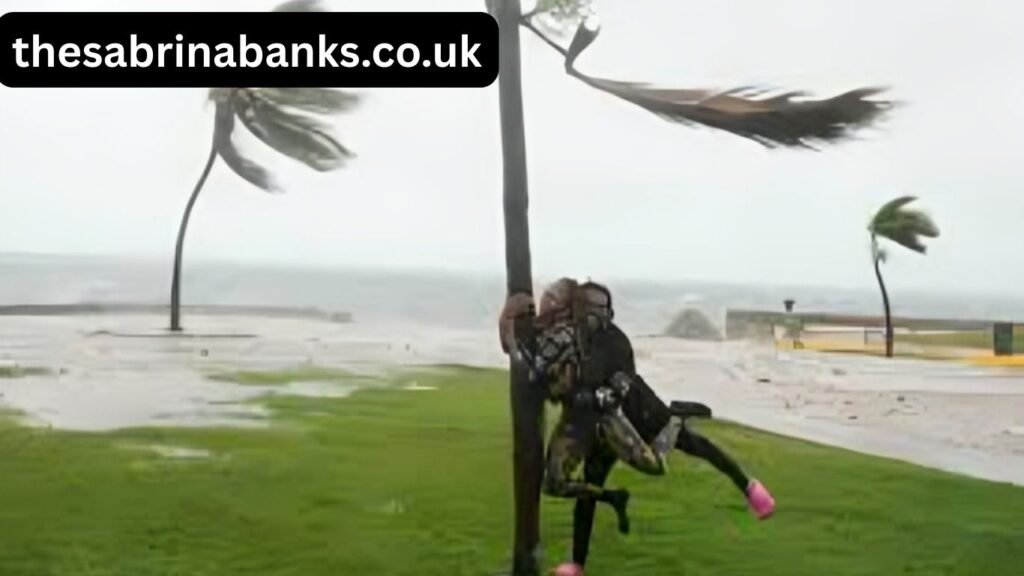
Hurricane Melissa brought strong winds that knocked down trees and power lines in several areas. Power outages affected both urban and rural communities, sometimes lasting days.
Heavy rainfall caused flooding, especially in low-lying areas and near rivers. In the mountainous interior, landslides blocked roads and isolated some communities temporarily.
While not every part of Jamaica was affected equally, the storm’s impact was widespread enough to disrupt daily life across the island.
Real-Life Experiences from Communities
Urban Areas: Kingston and Surroundings
In Kingston and nearby towns, flooding was one of the biggest challenges. Poor drainage in some neighborhoods meant streets turned into rivers.
Residents shared stories of wading through water to check on neighbors or move vehicles to safer spots. Apartment dwellers listened anxiously as wind howled between buildings.
For many city residents, the loss of electricity was the hardest part. Without fans or air conditioning, nights were uncomfortable, especially for young children and the elderly.
Rural Communities and Farming Areas
In rural Jamaica, Hurricane Melissa Jamaica hit differently. Farmers worried about crops like bananas, yams, and sugarcane. Strong winds damaged fields, and heavy rain drowned young plants.
Some farmers described walking through their land after the storm, seeing months of work destroyed in a single night. For families who rely on farming for income, this loss was deeply personal.
Road damage also affected rural areas more severely. With landslides blocking access, some communities had to wait longer for help and supplies.
Government and Emergency Response
Early Action and Shelter Systems
One positive aspect of Hurricane Melissa Jamaica was the early action taken by authorities. Shelters were opened in schools and community centers for those living in vulnerable areas.
Emergency agencies coordinated with local leaders to identify high-risk zones. While not everyone chose to evacuate, having shelters available saved lives.
Public messaging focused on safety rather than panic, encouraging people to stay indoors and avoid flooded roads.
Challenges Faced During the Response
Despite preparation, challenges remained. Some shelters filled quickly. Others lacked adequate supplies.
Restoring power and clearing roads took time, especially in areas where damage was extensive. Emergency crews worked long hours, often in difficult conditions.
Still, many Jamaicans praised the efforts, recognizing that responding to a natural disaster is never simple.
The Aftermath of Hurricane Melissa
Assessing Damage and Loss
Once the storm passed, the focus shifted to assessment and recovery. People emerged from homes to survey damage.
Fallen trees, damaged roofs, and flooded buildings were common sights. In some areas, schools remained closed while repairs were made.
For many families, cleanup took days or weeks. Community members often worked together, helping clear debris and repair homes.
Emotional Impact on Residents
Beyond physical damage, Hurricane Melissa Jamaica left an emotional mark. Storms can be frightening, especially for children and those who have lived through past disasters.
Some residents spoke of sleepless nights long after the storm ended. The sound of heavy rain or strong wind triggered memories of that night.
Community support played an important role in healing. Conversations, shared meals, and collective rebuilding helped people move forward.
Lessons Learned from Hurricane Melissa
The Importance of Preparedness
One clear lesson from Hurricane Melissa Jamaica was the value of preparation. Families who had emergency supplies and plans in place felt more secure and recovered faster.
Simple steps like having batteries, flashlights, and clean water made a big difference. Knowing where to go if evacuation was needed reduced confusion.
Preparedness is not about fear. It’s about confidence and readiness.
Strong Communities Make a Difference
Hurricane Melissa showed the strength of Jamaican communities. Neighbors checked on each other. Volunteers helped clear roads. Churches and local groups provided support.
In times of crisis, these connections matter as much as official responses. Strong communities recover faster and with less emotional strain.
Climate Change and Future Hurricanes
Are Storms Becoming Stronger?
Hurricane Melissa Jamaica now ask whether storms like Hurricane Melissa are becoming more frequent or intense. Scientists around the world are studying how climate change affects hurricanes.
Warmer ocean temperatures can fuel stronger storms. Rising sea levels increase the risk of coastal flooding. While no single storm can be blamed solely on climate change, the overall trend is concerning.
For Jamaica, this means preparedness will remain critical in the years ahead.
Building Resilience for the Future
Resilience goes beyond emergency kits. It includes stronger building codes, better drainage systems, and smarter land use planning.
Education also plays a role. Teaching young people about hurricanes, safety, and climate awareness builds long-term resilience.
Hurricane Melissa became part of this ongoing conversation about how Jamaica can adapt and protect its people.
What Hurricane Melissa Jamaica Taught the World About Jamaica
Strength, Adaptability, and Unity
To outsiders, Hurricane Melissa Jamaica may appear as just another storm in the Caribbean. But for those who lived through it, it highlighted Jamaica’s strength.
Despite challenges, people adapted. Life resumed. Music returned to the streets. Laughter followed cleanup efforts.
This ability to face hardship and keep moving forward defines the Jamaican spirit.
Why These Stories Matter
Telling stories about storms like Hurricane Melissa is important. It reminds us that behind every weather event are real people with real lives.
Understanding these experiences builds empathy and awareness, especially as extreme weather becomes more common worldwide.
Conclusion Remembering Hurricane Melissa Jamaica Moving Forward
Hurricane Melissa Jamaica was more than a meteorological event. It was a shared experience that tested preparation, patience, and community strength.
From the anxious days before landfall to the long recovery afterward, the storm revealed both vulnerabilities and resilience. Homes were damaged, crops were lost, and routines were disrupted. But communities came together, lessons were learned, and life moved on.
For Jamaica, hurricanes will always be part of the landscape. But each storm, including Hurricane Melissa, adds to a growing body of knowledge and experience. With better preparation, stronger infrastructure, and united communities, the island continues to face the future with courage.
Remembering Hurricane Melissa is not about fear. It’s about respect for nature, appreciation for community, and commitment to being ready for whatever comes next.